

Consider an advertising industry that delivers a major campaign in December but doesn’t receive payment until February. Under cash accounting, December’s books show nothing about this substantial piece of business. Let’s look at an example of how cash and accrual accounting affect the bottom retained earnings balance sheet line differently. We’ll use a hypothetical web design company, and examine a month of transactions. Once a business sets its accounting method, it generally must stick with that choice for tax purposes.
How Each Method Records Transactions
Under this approach, income is recognized when payments are collected, and expenses are recognized when they are paid, regardless of when they are incurred. This method is straightforward and often used by small businesses and individuals due to its simplicity and ease of tracking cash flow. Unlike the accrual basis of accounting, the cash basis does not adhere to generally accepted accounting principles (GAAP).

Limitations for Financial Health Tracking
This method might also fall short for larger enterprises needing a detailed financial overview, as it provides a limited snapshot that omits future receivables and payables. Additionally, businesses that exceed certain revenue thresholds might find this method incompatible with regulatory standards. In such cases, the accrual accounting method may offer a more accurate representation of financial health. Just because the method is simple doesn’t mean you can be lax with your records. This means every dollar that comes in or goes out needs a paper trail, whether it’s an invoice, a receipt, or a bank statement. It not only proves your income and expenses for tax purposes but also gives you the raw data you need to understand your business’s performance and prepare accurate financial reports.

Focuses on cash flow

Deciding on an accounting method isn’t just about picking the easiest option; it’s about choosing the one that gives you the clearest picture of your business’s health. While cash basis accounting is wonderfully straightforward, it isn’t a one-size-fits-all solution. A couple of key factors—your revenue and your business model—will quickly tell you if it’s the right path for you. It’s not compliant with Generally Accepted Accounting Principles (GAAP), which is often a requirement for larger companies. If your business deals with complex operations—like managing inventory or https://www.lfceiendom.no/autonomous-accounting-software-for-managers/ revenues over $26 million—you’ll need to stick with accrual accounting.
- Similarly, a home-based craft business, dealing solely in direct sales, found the cash basis ideal for maintaining a clear view of ready cash, thus supporting accurate budgeting.
- Mike is an expert at assessing a company’s needs in their finance function.
- If you have a rather simple business with only minor fluctuations in cash flow, then cash basis accounting may work well.
- However, these factors do not influence our editors’ opinions or ratings, which are based on independent research and analysis.
If a business deals mainly in cash and has little credit or inventory, cash accounting works well. As the business grows or switches to accrual accounting, professional help becomes important. In business, it is possible to use one method for accounting and the cash basis accounting measures income based on other for tax purposes.
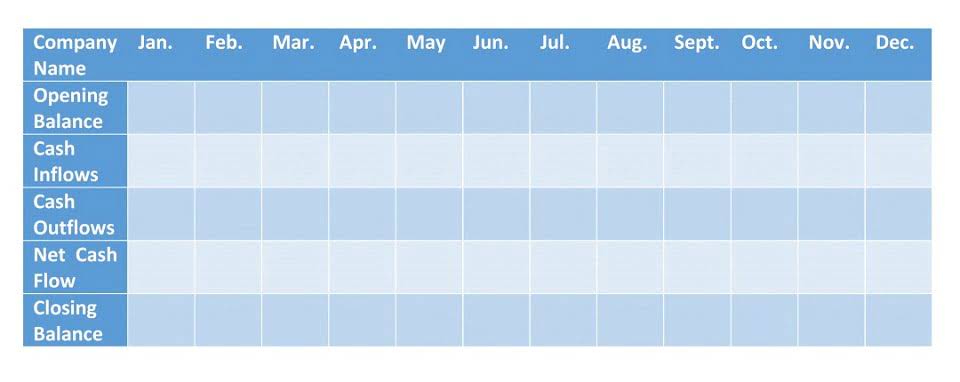
This is due to IRS taxation laws, and the fact that cash accounting is less accurate than accrual accounting in the short term. Using cash accounting makes it easier to track your money, and gives you a realistic picture of your current financial position as cash comes in and flows back out of your company bank account. At year-end, you might put off sending invoices to clients until January to defer revenue until next year and prepay next month’s rent and utilities to accelerate expenses into this tax year. Cash and accrual accounting are two different accounting methods, so it’s good to know how each operates as you decide how to account for your business transactions. If you provide snow removal services as a home business and keep your books on the accrual basis, your income statement might look like this. Cash basis accounting measures income based on cash received, not invoices.